

Note: Half a year has just passed by. Now, perhaps, is the right time to summarize the direction of weight loss science, technology, and culture as they have evolved through the years and project how those developments have shaped the landscape by 2026. However, always verify current clinical guidance before making any health decision.
- Introduction
By 2026, the conversation about weight loss looks very different than it did a decade ago. Advances in medicines, wearable sensors, AI-driven coaching, and a deeper appreciation for individualized biology have shifted many people’s expectations and strategies. At the same time, long-standing truths – that sustainable weight change requires attention to diet, activity, sleep, stress, and social context – still hold.
Below are the most notable trends shaping weight loss in 2026, what they mean for individuals, and how to approach these options safely and realistically.
a. Precision weight loss: personalization at scale
One of the biggest shifts is the mainstreaming of truly personalized plans. Instead of “one size fits all” diets, more people are getting recommendations informed by:
• Genetics and polygenic risk scores that suggest metabolic tendencies.
• Microbiome analyses indicating how gut bacteria might influence appetite and nutrient extraction.
• Continuous biomarker data (CGM, sleep tracking, heart rate variability) feeding AI models that predict individual responses to foods and exercise.
The result: more tailored macronutrient targets, meal timing, and behavior-change strategies that fit a person’s physiology and lifestyle.

b. Pharmacotherapy becomes an integrated tool, not a miracle cure
Medications that influence appetite and metabolism – such as GLP 1 receptor agonists and newer combo agents – have continued to change expectations. By 2026 these drugs are more widely used, better understood, and integrated into multidisciplinary care. Important realities:
• They often produce substantial weight loss and health improvements, but they’re not a cure: stopping medication can lead to regain unless accompanied by sustainable lifestyle and behavioral changes.
• Access, cost, and long term safety questions remain central debates.
• Multimodal care (nutrition, psychology, physical activity) alongside medication produces the best long term outcomes.
c. New minimally invasive and device-based options
Advances in endoscopic and implantable devices have broadened options between medication and bariatric surgery. Examples include improved endoscopic sleeve gastroplasty techniques, gastric balloons with better safety profiles, and neuromodulation devices targeting vagal signaling. These options appeal to people seeking more durable results than medication but less invasive procedures than surgery.
d. Wearables and continuous monitoring reshape habits
Wearables now do more than count steps. In 2026:
• Continuous glucose monitors (CGMs) are used by many non diabetics to learn individualized glycemic responses to meals.
• Continuous ketone monitors, expanded metabolic sensors, and better sleep and HRV tracking feed coaching apps that give real time, personalized feedback.
• AI-driven coaching integrates sensor data with behavioral science to suggest immediate micro interventions (e.g., “walk 10 minutes now,” “choose this snack”) that are tailored to context and likely effectiveness.

e. The rise of behavior-first, tech-enabled coaching
Digital programs combining human coaching with AI augmentation have proven more effective than apps alone. Coaches use data from wearables and labs to help users set realistic goals, troubleshoot plateaus, and address emotional and social factors. On-demand behavioral therapy, habit-design modules, and community support are now core components of many successful programs.
f. Food industry shifts: protein innovation and “real food” emphasis
Trends in what we eat are also evolving:
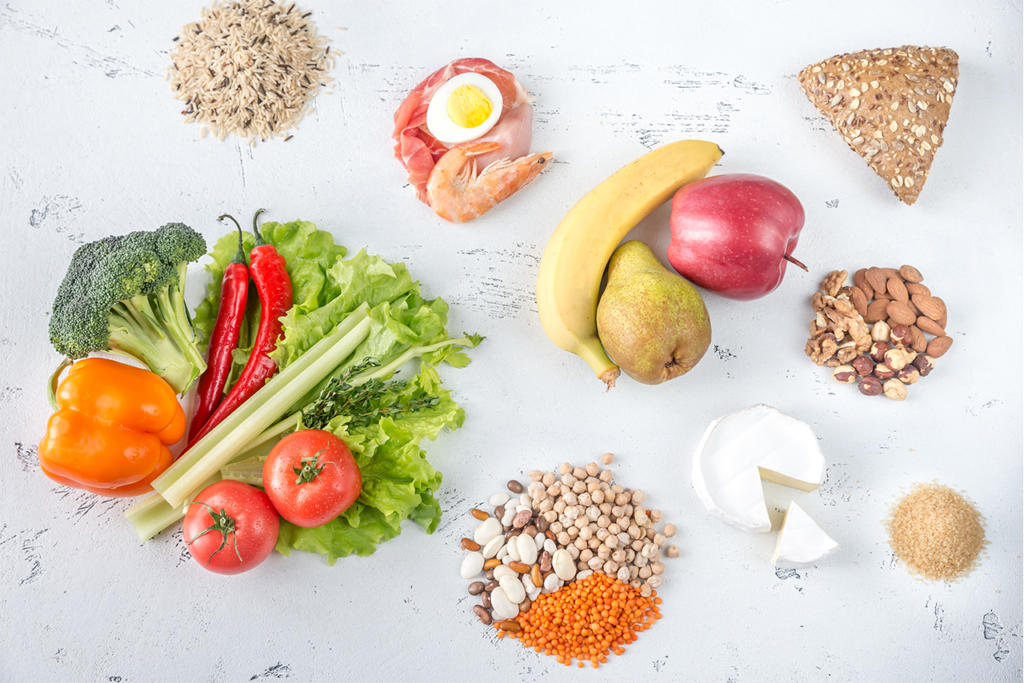
• Plant-forward diets continue to grow, but with a focus on whole foods and high-quality protein. Novel proteins (precision-fermented, cultivated meat, and advanced plant proteins) provide more satiating options.
• Ultra-processed food reformulations are partly driven by regulation and consumer demand, with reduced sugar and engineered satiety components (fiber blends, protein fortification).
• Attention to food timing and meal structure – not just calories – is more common, with flexible approaches that prioritize nutrients and satiety.
g. Intermittent energy restriction and circadian considerations
Time-restricted eating (TRE) and other intermittent fasting protocols are mainstream options. The emphasis in 2026 is on aligning eating windows with an individual’s circadian rhythm, sleep patterns, and daily routine rather than rigid fasting rules. Evidence supports benefits for weight and metabolic health for some people, but personal tolerance and sustainability determine success.
h. Mental health, sleep, and social determinants are front and center
Programs increasingly integrate mental health care, sleep optimization, and strategies to address socioeconomic barriers. Recognizing that stress, depression, poor sleep, and lack of access to healthy food or safe exercise environments impede weight loss, more providers embed social-work support, cognitive behavioral therapy (CBT), and community resources into plans.
i. Ethical, equity, and cultural conversations intensify
As expensive drugs and high-tech solutions proliferate, equity concerns grow. By 2026 there’s more public discourse about access, employer wellness program ethics, and potential stigmatization. Culturally tailored approaches that respect diverse body norms and health priorities are increasingly recognized as essential for effective care.
j. Safe skepticism about supplements and quick fixes
Despite shiny new offerings, skepticism about supplements, detoxes, and extreme diets remains advisable. Regulatory oversight is uneven, and many trendy products lack rigorous evidence. The most effective long-term strategies still combine evidence-based medical interventions, sustainable dietary shifts, physical activity, and behavioral support.
- Practical guidance for 2026
• Prioritize evidence-based care. If you’re considering medications, devices, or new diets, consult a clinician skilled in obesity medicine to discuss benefits, risks, and realistic expectations.
• Use data wisely. Wearables and biomarkers can inform smarter choices, but avoid paralysis by analysis – focus on a few actionable signals (sleep, hunger, activity).
• Make sustainability the chief criterion. Quick, extreme fixes often fail; choose approaches you can maintain for months and years.
• Attend to mental health and sleep. These are often the limiting factors in long-term success.
• Watch for access and equity issues. Seek programs that offer sliding scales, community resources, or coverage through insurers/employers when possible.
• Be wary of hype. New products may look promising, but allow time for independent, peer reviewed evidence to accumulate. - Conclusion
By 2026, the weight-loss landscape is more personalized, tech-enabled, and medically integrated than before. Powerful tools exist, but none replace the fundamentals: consistent, sustainable dietary changes, regular movement, sleep, stress management, and social support. The best plan combines the most appropriate new tools with proven behavioral strategies and a realistic, compassionate approach to long-term health.